More Than Just a Carpet
When you look at a genuine Turkish rug, you are not merely looking at a floor covering. You are gazing upon months, sometimes years, of painstaking human labor. You are seeing the culmination of ancient tribal traditions, organic chemistry in the form of natural dyes, and a structural integrity designed to outlast its creator.
Turkish rugs command high prices in the global market, often reaching the status of fine art investments. But what exactly drives their value? Let’s explore the elements that make an authentic Anatolian carpet a priceless masterpiece.
1. The Mastery of the Ghiordes Knot
Unlike machine-made rugs that are glued together in a matter of hours, an authentic Turkish rug is woven entirely by hand. Turkish weavers use the **Ghiordes knot**, a symmetrical double knot. This means the yarn is looped around two warp threads simultaneously, creating an incredibly tight, robust, and durable foundation.
A single rug can contain anywhere from tens of thousands to over a million individual knots. A master weaver can tie about 6,000 to 10,000 knots a day. For a high-density, room-sized carpet, this translates to over a year of continuous, back-breaking labor. You are paying for time, patience, and absolute precision.
2. 100% Natural, Premium Materials
The longevity of a Turkish rug is a direct result of its raw materials. Authentic carpets never use synthetic plastics like nylon or polyester. Instead, they rely on:
- Highland Wool: Hand-spun wool sourced from sheep in high-altitude regions is rich in lanolin. This makes the rug remarkably soft, naturally stain-resistant, and resilient against heavy foot traffic.
- Pure Silk: Famous in regions like Hereke, pure silk rugs are the pinnacle of luxury. Silk threads are microscopically thin, allowing weavers to create astonishingly detailed, miniature-like patterns with an iridescent sheen that synthetic materials cannot replicate.

A machine-made rug begins to degrade the day you buy it. A hand-knotted Turkish rug begins to build character, patina, and value.
Scala Nuova Experts
3. The Alchemy of Natural Dyes
Before synthetic chemical dyes were invented, Anatolian artisans mastered the alchemy of extracting vibrant colors from nature. Madder root produces deep reds, indigo plants create striking blues, and chamomile or saffron yield brilliant yellows.
Natural dyes do not fade quickly or harshly under sunlight. Instead, they age gracefully, acquiring a softer, highly sought-after "patina." The slight variations in color—known as abrash—certify that the wool was dyed organically in small batches, adding unique soul to every single carpet.
A Woven Investment
Ultimately, Turkish rugs are valuable because they are unrepeatable. In an era of mass-produced, disposable goods, a hand-woven Anatolian carpet stands as a testament to sustainable, generational craftsmanship. When you purchase an authentic piece from Scala Nuova Rug, you are not just acquiring decor; you are securing a timeless heirloom that will only grow in artistic and financial value as the decades pass.
Leave a Question or Comment
Are you considering investing in a Turkish rug? Drop your questions below, and our experts will guide you to the perfect piece. Your email address will not be published.
Jun 12, 2026
The Magic of Silk: Why Pure Silk Rugs Shift Colors
May 28, 2026
Decoding Nomadic Kilim Motifs & Symbols
Apr 14, 2026
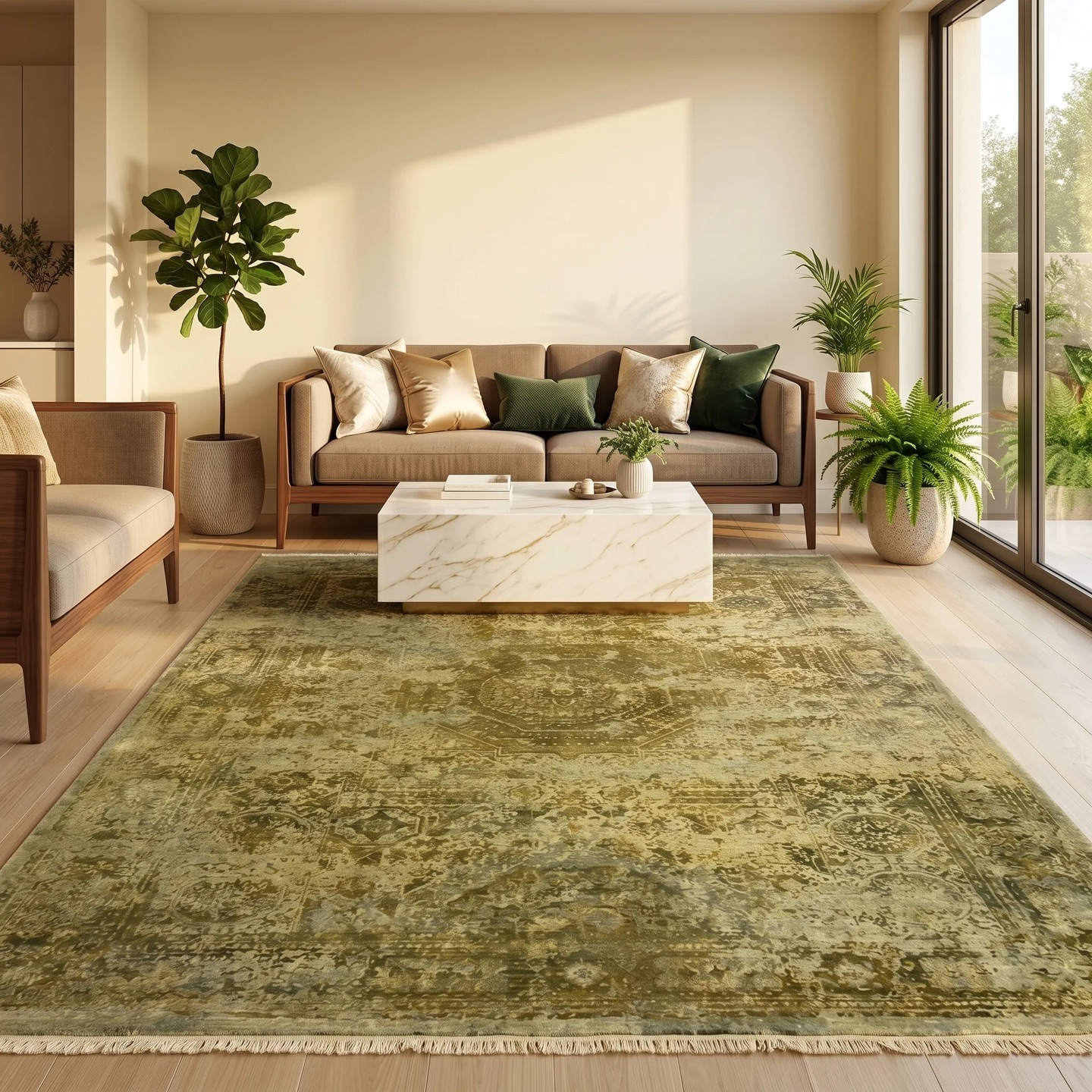
Styling Minimalist Spaces with Antique Carpets
Find the perfect masterpiece for your home.
Bring the magic of Anatolia to your living space. Browse our exclusive collection or contact our experts to find a rug that speaks to your soul.